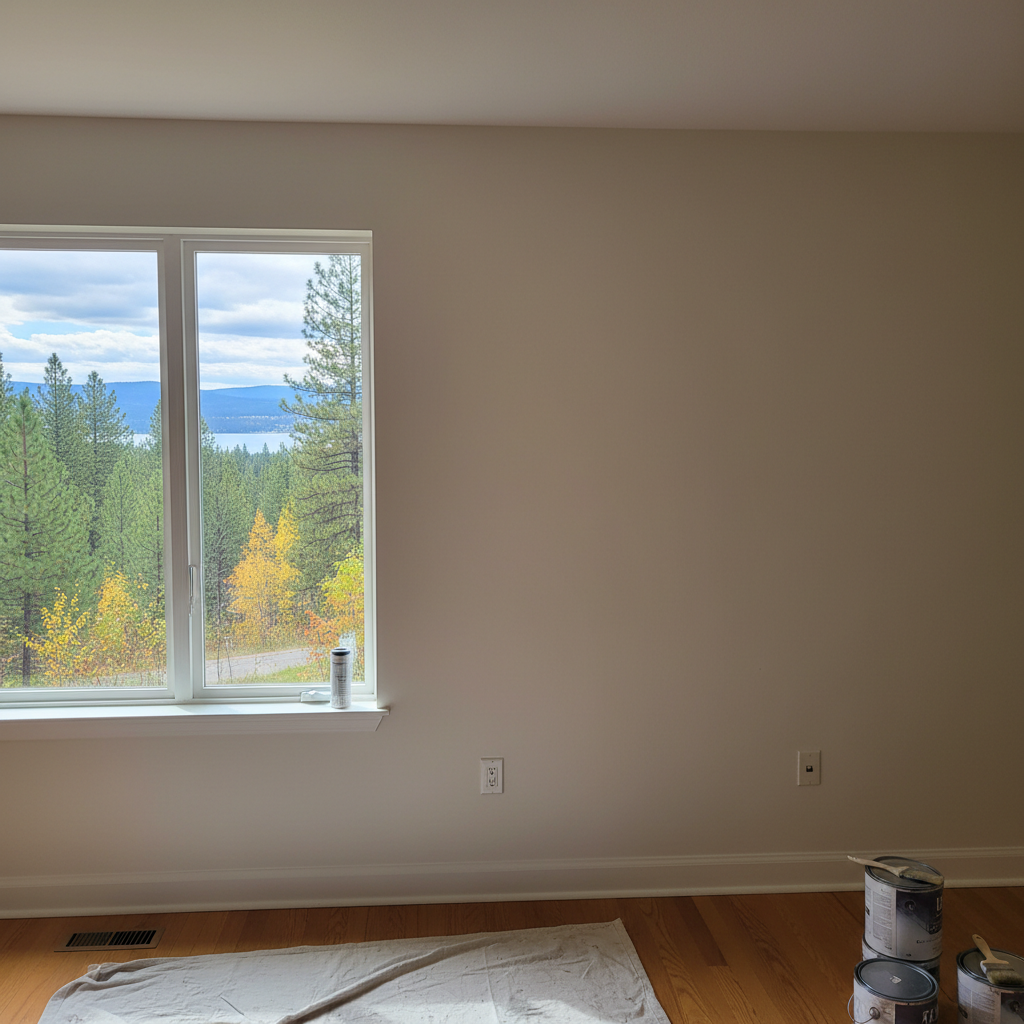
You've decided it's time to get rid of that old wallpaper. Maybe it's a dated pattern, or maybe it's just seen better days. Whatever the reason, wallpaper removal can be a real headache if you don't approach it right. As someone who's spent years working on homes all over Coeur d'Alene, from the older places in the Garden District to the newer builds up near Canfield Mountain, I've seen just about every mistake you can imagine. And trust me, some of them are expensive.
Mistake #1: Underestimating the Job (Especially with Old Paper)
This is probably the biggest one. People see a YouTube video of someone steaming off wallpaper and think, 'I can do that in a weekend!' Sometimes, sure, you can. But often, you can't. Modern wallpaper, especially the peel-and-stick stuff, usually comes off pretty clean. But if you're dealing with wallpaper from the 70s, 80s, or even 90s, you're looking at a different beast entirely.
A lot of older homes around here, particularly those built before the 2000s, often have wallpaper that was hung directly onto unprimed drywall or plaster. That's a recipe for disaster. When you try to pull it off, you're not just getting the paper; you're often tearing off chunks of the drywall's paper face or pulling plaster right off the wall. Then you're not just painting; you're patching, skim-coating, and sanding. What started as a simple removal project turns into a full-blown drywall repair job, and that's a lot more time and money.
Mistake #2: Not Testing a Small Area First
Before you commit to anything, whether you're doing it yourself or hiring someone, test a small, inconspicuous area. Pick a spot behind a door, in a closet, or maybe down low where furniture usually sits. Wet it down with a spray bottle of warm water and a little dish soap, let it sit for a few minutes, and then try to peel back a corner with a putty knife.
What happens? Does it come off relatively easily? Does it leave a gummy residue? Does it tear the wall underneath? The answer to these questions tells you a lot about what you're up against. If it's tearing the wall, you know you've got a bigger project on your hands. If it's leaving a lot of glue, you'll need a good adhesive remover and plenty of elbow grease. Don't skip this step; it's your early warning system.
Mistake #3: Hiring the Cheapest Bid Without Asking Questions
I get it, everyone wants a good deal. But when it comes to something as potentially messy and damaging as wallpaper removal, the cheapest bid can often cost you more in the long run. Here's what you need to ask any contractor you're considering:
- What's your process? Do they just start tearing? Or do they talk about testing, scoring, steaming, and proper adhesive removal?
- How do you protect my home? Are they taping off floors, covering furniture, and protecting outlets? Wallpaper removal is wet and messy.
- What's included in the price? Does it cover just the removal, or does it include wall prep for painting (like patching and priming)? This is crucial. Many cheap bids only cover getting the paper off, leaving you with a damaged, glue-covered wall that's not ready for paint.
- What's your experience with older homes/specific wallpaper types? If they've only done modern peel-and-stick, they might not be ready for that multi-layered, painted-over stuff from the 80s.
A good contractor, like us at Coeur d'Alene House Painters, will walk you through their process and explain exactly what to expect. We'll also be upfront about potential issues we might uncover once the paper starts coming off.
Mistake #4: Skipping Proper Wall Prep After Removal
Even if the wallpaper comes off cleanly, you're not done. There's almost always some adhesive residue left behind. If you try to paint over that, you're going to have problems. The paint won't adhere properly, it can react with the old glue, and you'll end up with a splotchy, uneven finish that might even peel later on. You need to wash the walls thoroughly with a good adhesive remover, rinse them, and then let them dry completely.
After that, a quality primer is non-negotiable. Not just any primer, but a good stain-blocking, bonding primer. This seals in any remaining residue, helps with adhesion, and gives you a uniform surface for your new paint. Don't cheap out on the primer; it's the foundation of your new paint job.
Mistake #5: Not Considering the 'Why' Behind the Wallpaper
Sometimes, wallpaper wasn't just a design choice; it was hiding something. Maybe a cracked wall, uneven plaster, or even minor water damage. While you're removing it, keep an eye out for anything suspicious. If you find something, don't just cover it up with new paint. Address the underlying issue first. It's better to deal with a small problem now than a much bigger one down the road.
Wallpaper removal isn't always glamorous, but doing it right makes all the difference for your home's finish. Take your time, ask the right questions, and don't be afraid to call in the pros if it looks like more than you bargained for. Your walls (and your sanity) will thank you.