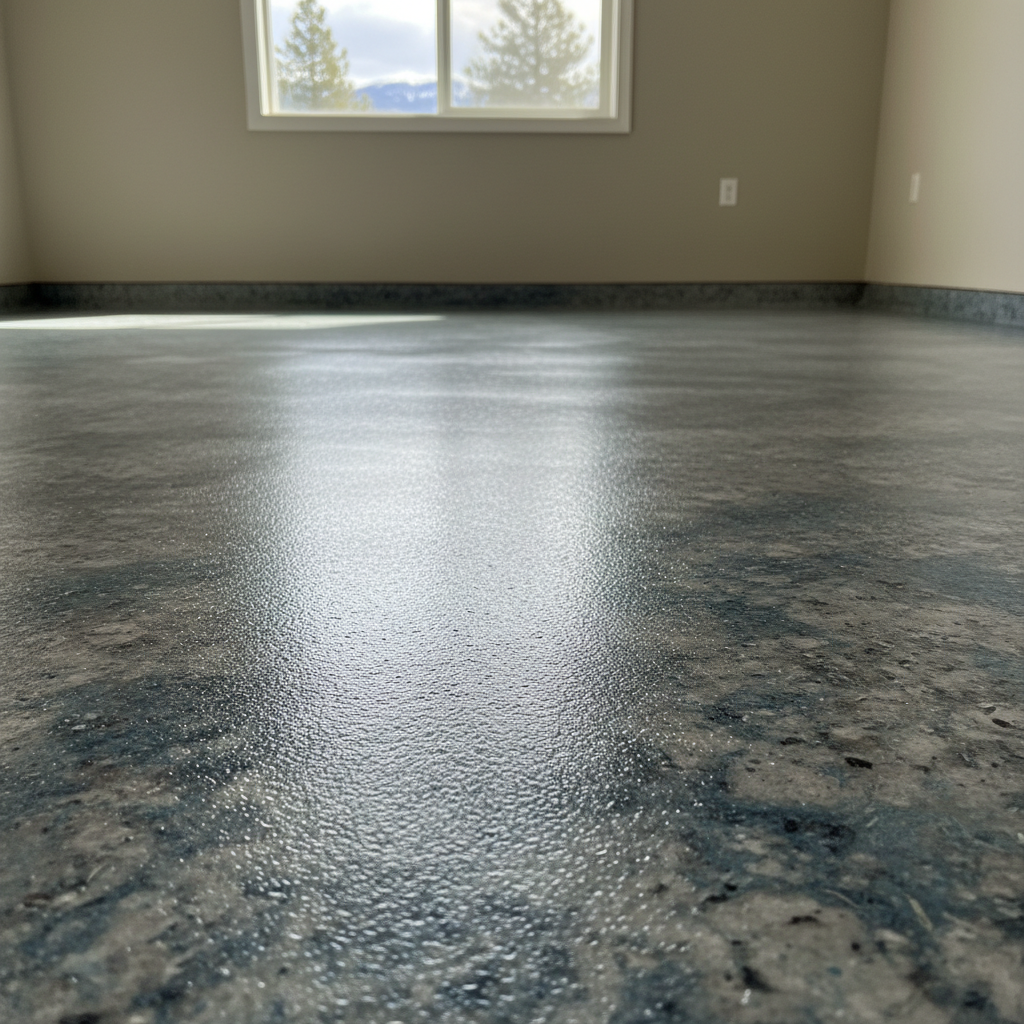
So, you're eyeing that slick, durable epoxy floor for your garage, huh? Good choice. It's a fantastic way to transform a grimy, dusty concrete slab into something that looks sharp, cleans up easy, and really stands up to the abuse we put our garage floors through here in Coeur d'Alene. But before you run out and grab the first kit you see at the big box store, let's talk about what's really involved. There's a big difference between a floor that looks good for a year and one that lasts a decade.
Before You Even Think About Epoxy
This is where most DIY epoxy projects go sideways. The prep work isn't just important; it's everything. Seriously, if you skimp here, you're going to have peeling, flaking, and a whole lot of regret. I've seen it countless times.
- Clean, Clean, Clean: Your floor needs to be spotless. Not just swept, but degreased. If you've got oil stains, paint spills, or anything else, you've got to get it out. Simple green and a stiff brush might do for light stuff, but for old, set-in oil, you'll need a stronger degreaser and some serious scrubbing. Pressure washing helps, but then you need to let it dry completely.
- Acid Etch or Grind? Most DIY kits come with an acid etch solution. It's designed to open up the pores of the concrete so the epoxy can bond. It works okay for new, clean concrete. But if your garage floor is older, has been sealed before, or is just really smooth, acid etching might not be enough. For a really durable, long-lasting finish, mechanical grinding is the way to go. This is where you rent a big, heavy floor grinder. It's dusty, it's loud, and it's a lot of work. But it creates the perfect profile for the epoxy to grab onto. If you're in an older home, say, up in the Canfield neighborhood, with concrete that's seen a lot of winters, grinding is probably your best bet.
- Moisture Check: Concrete can hold a lot of moisture, especially if you don't have a good vapor barrier underneath. Epoxy doesn't like moisture trying to push its way up through the slab. You can do a simple test: tape a 2x2 foot piece of plastic sheeting to the floor for 24 hours. If you see condensation under the plastic, you've got a moisture problem that needs addressing, or your epoxy will likely delaminate.
- Repair Cracks and Pits: Fill any cracks or divots with a concrete repair product. Let it cure fully and then grind it smooth with the rest of the floor. You want a uniform surface.
The Epoxy Application: DIY vs. Pro
Okay, so you've done the prep. Now for the fun part, right? Applying the epoxy. This is where you really need to be honest with yourself about your DIY skills and time commitment.
- DIY Kits: The kits you buy at the hardware store are usually water-based epoxy. They're easier to work with, have less odor, and are more forgiving. They're also generally not as durable or long-lasting as professional-grade, 100% solids epoxy. They're fine for light-duty garages or if you're just looking for a cosmetic upgrade that you might redo in a few years. Just remember, once you mix those two parts, you're on the clock. Work quickly and methodically.
- Professional Grade: This is where companies like Coeur d'Alene House Painters come in. We use 100% solids epoxy, often with a polyaspartic or urethane topcoat. This stuff is significantly tougher, more chemical-resistant, and will last much longer. But it's also harder to work with. It sets up fast, the fumes are stronger, and it requires specialized mixing and application techniques. It's not something you want to mess around with unless you've got experience. We also have the right grinding equipment to ensure that bond is rock-solid.
If you're just looking to clean up a small, lightly used garage, a DIY kit might be okay. But for a heavy-use garage, a workshop, or if you want something that truly lasts and looks professional, hiring a pro is almost always worth the investment. You're paying for expertise, specialized materials, and the right equipment to ensure proper adhesion and a flawless finish.
After the Epoxy: Curing and Care
Once the epoxy is down, you're not done. The curing process is critical.
- Stay Off It: This is the hardest part. Most DIY kits will tell you light foot traffic in 24 hours, vehicle traffic in 72 hours. Professional systems often have longer cure times before full vehicle use. Don't rush it. Parking your truck on a partially cured floor will leave tire marks and can even peel the epoxy.
- Cleaning: Epoxy floors are super easy to clean. A broom and a mop with some mild soap and water are usually all you need. Avoid harsh chemicals or abrasive cleaners, as they can dull the finish over time.
- Spills: Wipe up spills quickly, especially things like oil, gas, or chemicals. While epoxy is resistant, leaving corrosive materials to sit for extended periods isn't a good idea.
An epoxy garage floor is a fantastic upgrade for any home. Just make sure you go into it with your eyes wide open about the work involved, especially the prep. If you're not confident in tackling that grinding and precise application, give us a call at Coeur d'Alene House Painters. We'd be happy to give you a quote and answer any questions you've got about getting a durable, beautiful floor that'll stand up to whatever you throw at it.